
🇩🇰 Denmark Education System – Education Focused on Well-being and Equality
1. Historical Overview of the Denmark Education System
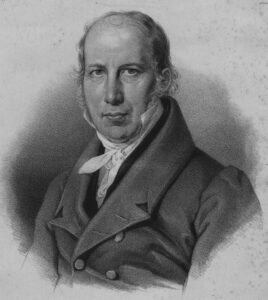
The Denmark Education System has roots in the early 19th century, shaped by democratic ideals and the philosophy of N. F. S. Grundtvig, a Danish pastor, writer, and educational reformer. The Education Act of 1814 made seven years of compulsory schooling free for all children, setting Denmark apart as one of the first nations to institutionalize universal education.
Grundtvig emphasized the concept of “the living word”—education should nurture life skills, civic responsibility, and democratic participation rather than focusing solely on rote learning. This philosophy influenced the development of Denmark’s folk high schools, which continue to promote lifelong learning and civic engagement.
In the 20th century, Denmark strengthened its public education system with reforms aimed at equity and inclusion. The 1970s brought greater emphasis on creativity, collaboration, and student well-being. In recent decades, Denmark has modernized its curriculum to balance academic rigor with innovation, digital literacy, and global citizenship.
Key Figure:
N. F. S. Grundtvig (1783–1872) – Founder of the « Folk High School » movement, which emphasizes adult education, lifelong learning, and civic engagement.
2. Philosophy & Core Principles of the Denmark Education System
The Denmark Education System prioritizes well-being, creativity, and collaboration over strict academic competition. Its foundation lies in nurturing curiosity and social skills while maintaining a strong sense of equality.
Core Elements of the Denmark Education System
- No formal testing until later grades; evaluation is formative and focused on growth.
- Learning through play in early childhood, emphasizing social and emotional development.
- Teamwork and problem-solving as essential skills integrated into all subjects.
- Strong student–teacher relationships, with teachers acting as mentors and guides.
- Equal opportunities regardless of gender, background, or social class.
3. Current Structure of the Denmark Education System
Folkeskole: Primary and lower secondary school (Grades 0–9)
Optional 10th grade for additional preparation
Upper Secondary: Gymnasium or vocational education
Higher Education: Universities and academies, tuition-free for EU/EEA students
4. Strengths & Challenges of the Denmark Education System
✅ Strengths:
The Denmark Education System has influenced global discussions on education by showing that academic achievement does not need to come at the expense of student well-being.
Key strengths include:
- Well-being as a core value – students experience less stress compared to peers in highly competitive systems.
- Equality and inclusion – strong focus on reducing achievement gaps.
- Holistic development – emphasis on creativity, collaboration, and democratic values.
- Lifelong learning – folk high schools and adult education remain vital to Danish culture.
- Teacher autonomy – educators are trusted to adapt teaching to student needs.
Challenges include balancing innovation with maintaining academic competitiveness. Some critics argue that the lack of early standardized testing makes it harder to track progress systematically. Additionally, Denmark faces the challenge of integrating immigrant and refugee populations while maintaining equity and inclusion.
⚠️ Challenges:
Lower PISA performance in math compared to some top-ranking countries
Adapting to a growing multicultural student population
5. PISA Ranking of the Denmark Education System
2022: Mid-to-high performer, above OECD average in reading and science, slightly lower in math compared to top nations.
Global Recognition and PISA Results
The Denmark Education System is recognized globally for its progressive approach. In PISA 2022, Denmark scored above the OECD average in reading, mathematics, and science. Danish students consistently perform well, though not at the very top, reflecting a balance between academic achievement and student well-being.
Equity is one of Denmark’s greatest strengths. Socioeconomic background has less impact on student performance compared to many OECD countries. Furthermore, Danish schools place a strong emphasis on inclusivity and support for students with special needs.
📚 More Reading on Danish Education:
Learning for Life: Grundtvig and the Danish Folk School – J. Elias
Education in Denmark – Ministry of Education
Democratic Education in Denmark – European Journal of Education
💡 Fun Fact: Danish students often call their teachers by their first names, reflecting the country’s emphasis on equality and informality in education.

What they say about
The OECD acknowledges Denmark’s focus on student well-being and creativity. Reports emphasize how its schools promote happiness, lifelong learning, and democratic participation.