
What they say about

The World Bank has cited the HighScope approach in early childhood programs as an effective model for improving cognitive and social outcomes. Evidence-based studies highlight its strong impact on children’s long-term success.
Biography:
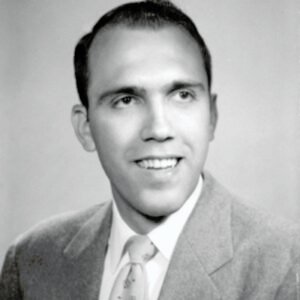
David Weikart (1931–2003) was an American psychologist and educator best known for creating the HighScope Approach. In the early 1960s, while working in Ypsilanti, Michigan, he observed that traditional teaching methods did not meet the developmental needs of disadvantaged children. This led to the Perry Preschool Project, a groundbreaking study that provided high-quality preschool education to low-income children.
The long-term results of this experiment, tracked for decades, showed lasting benefits: participants were more likely to graduate, earn higher incomes, and avoid crime compared to peers without early education. These findings gave international recognition to Weikart’s work and laid the foundation for the HighScope Approach.
Key Book:
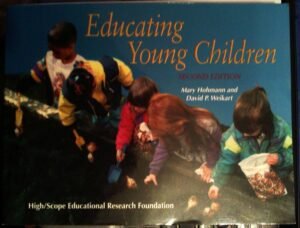
📘 Educating Young Children: Active Learning Practices for Preschool and Child Care Programs – This comprehensive guide details the HighScope curriculum, its planning and assessment strategies, and practical applications in early childhood settings.
Disclosure: As an Amazon Associate, we earn from qualifying purchases.
The HighScope Approach is a research-based model of early childhood education emphasizing active, participatory learning. Children engage directly with materials, people, and ideas rather than passively receiving instruction, which fosters curiosity and deeper understanding.
At its heart is the Plan-Do-Review cycle: children plan activities, carry them out, and then reflect on their learning. This process develops independence, decision-making, critical thinking, and problem-solving skills that extend beyond the classroom.
Plan-Do-Review process for autonomy and reflection.
Active learning through play and exploration.
Consistent daily routines to provide security and structure.
Observation-based assessment, using tools like the Child Observation Record (COR).
Supportive teacher–child interaction, with educators guiding learning through open-ended questions.
From its U.S. origins, the HighScope Approach has spread across North America, Europe, Asia, and Africa. The HighScope Educational Research Foundation provides training, curricula, and assessment resources to thousands of classrooms worldwide, ensuring consistent implementation.
The Perry Preschool Project remains one of the most cited studies in early childhood education, shaping policies and inspiring governments, school districts, and NGOs to invest in HighScope-based preschool programs.
The HighScope Approach stands out for its strong scientific foundation. Longitudinal evidence demonstrates clear academic, social, and economic benefits, making it a trusted model for educators and policymakers.
Another key strength is its child-centered agency: learners actively choose, reflect, and build autonomy. The focus on active learning also cultivates collaboration, resilience, and creativity.
Critics argue the structured routine may limit flexibility compared to approaches like Reggio Emilia, but advocates highlight its balanced mix of freedom and structure that helps children thrive.
Decades after its creation, the HighScope Approach continues to influence classrooms worldwide, combining scientific evidence with respect for children’s natural curiosity, growth, and lifelong love of learning.
More Books About
Disclosure: As an Amazon Associate, we earn from qualifying purchases.
Disclosure: As an Amazon Associate, we earn from qualifying purchases.
What they say about
The World Bank has cited the HighScope approach in early childhood programs as an effective model for improving cognitive and social outcomes. Evidence-based studies highlight its strong impact on children’s long-term success.
📊 Quick Stats
HighScope curriculum used in thousands of classrooms worldwide (HighScope Foundation)
Perry Preschool longitudinal study tracked 123 children (HighScope Research)
Cost-benefit ratio of 1:7 from Perry Preschool study (HighScope Research)
Teacher–child ratio in programs typically 1:6–1:10 (HighScope)
HighScope assessments (COR Advantage) used in 5,000+ classrooms (HighScope)