
🇯🇵 Japan Education System – Discipline, Rigor, and Lifelong Learning
1. Historical Overview of the Japan Education System
The Japan Education System was established during the Meiji Era (1868–1912) as part of the country’s modernization strategy. Influenced by Western models—especially those of Prussia, France, and the United States—Japan introduced compulsory education to promote literacy, industrialization, and national unity.
By the early 20th century, Japan had achieved near-universal literacy, one of the highest in Asia at the time. Education reforms after World War II, supported by the U.S. occupation, democratized the system, making it more accessible and less elitist. The post-war constitution guaranteed the right to education, and a new structure of 6 years of elementary, 3 years of lower secondary, and 3 years of upper secondary schooling was adopted.
From the 1960s onward, Japan emphasized both economic development and educational excellence, with a focus on math, science, and technology. This era also saw the rise of juku (cram schools), which became an integral part of student preparation for competitive entrance exams.
Today, Japan is recognized worldwide for its highly literate, disciplined, and achievement-oriented student population.
Key Figures:
Mori Arinori (1847–1889) – Japan’s first Minister of Education, instrumental in creating the centralized school system.

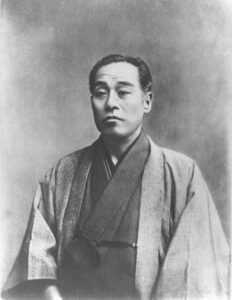
Fukuzawa Yukichi (1835–1901) – Philosopher and educator who promoted learning from the West to strengthen Japan.
2. Philosophy & Core Principles of the Japan Education System
The Japan Education System is based on the values of discipline, perseverance (gambaru), and collective harmony. It seeks to form not only academically capable students but also well-rounded citizens who respect community and social order.
Core Elements of the Japan Education System
- Strong foundational skills in math, science, and literacy, reflected in high international performance.
- Moral education (dōtoku) embedded in the curriculum, focusing on values, ethics, and social responsibility.
- Group responsibility and cooperation, emphasizing teamwork and harmony over individual competition.
- Teacher respect – educators are highly regarded, and teacher-student relationships are built on trust and discipline.
- Community involvement – parents and local communities actively support schools.
3. Current Structure of the Japan Education System
Elementary School: 6 years (grades 1–6)
Junior High School: 3 years (grades 7–9) → compulsory education ends here
High School: 3 years (grades 10–12) – high enrollment but not mandatory
Higher Education: Prestigious universities like University of Tokyo and Kyoto University
4. Strengths & Challenges of the Japan Education System
✅ Strengths:
The Japan Education System is recognized globally for its ability to produce disciplined, motivated, and high-achieving students.
Key strengths include:
- High literacy and numeracy rates – near universal mastery of core subjects.
- Character development – moral and social education foster responsible citizens.
- Teacher dedication – Japanese teachers spend significant time mentoring and supporting students.
- Work ethic and perseverance – the cultural value of gambaru encourages students to overcome difficulties.
- Balanced curriculum – academics are integrated with arts, physical education, and moral training.
However, the system is also known for its challenges. The competitive nature of entrance exams can create intense pressure, leading many students to attend after-school cram schools (juku). Critics also argue that the focus on conformity may limit creativity and individual expression.
In response, Japan has introduced reforms to reduce exam pressure, encourage more active learning, and promote creativity and innovation in classrooms.
⚠️ Challenges:
Intense competition for university entrance exams
Limited focus on creativity and flexibility (though recent reforms are addressing this)
5. PISA Ranking of the Japan Education System
2022: Top 5 globally in mathematics, reading, and science.
Global Recognition and PISA Results
Japan has consistently performed at a high level in the OECD’s Programme for International Student Assessment (PISA). In PISA 2022, Japan ranked among the top five countries worldwide in mathematics, science, and reading. Japanese students are known for their problem-solving skills, resilience, and ability to apply knowledge in real-world contexts.
This strong performance reflects the system’s balance between academic rigor and character development. While students face high expectations, they also benefit from a culture that values respect, responsibility, and perseverance.
📚 More Reading on the Japanese Education System:
Education in Japan: A Comprehensive Analysis – MEXT Publication
Learning from Japan: Why the Japanese Education System Works – OECD report
Japanese Schooling: Patterns of Socialization, Equality, and Political Control – James J. Shields Jr.
💡 Fun Fact: In most Japanese schools, students clean their classrooms themselves (o-soji) as part of character education.


What they say about

Japan’s education system is praised by the OECD for its discipline, equity, and outstanding student performance in math and science. Reports highlight its balance of tradition and innovation.