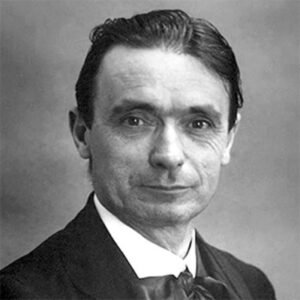
The Waldorf Education Explained
Waldorf Education is designed to foster the growth of the whole child—head, heart, and hands—by integrating academics, the arts, and practical skills into a unified curriculum. Unlike traditional schools, Waldorf emphasizes imagination, storytelling, movement, and creativity alongside intellectual development. Lessons are often taught in blocks of several weeks, allowing children to deeply immerse themselves in a subject.
Core Principles of Waldorf Education
- Education of head, heart, and hands – intellectual, emotional, and physical development are equally valued.
- Delayed academics – reading and formal academics begin later than in conventional systems, allowing children more time for imaginative play.
- Strong teacher-student continuity – teachers often stay with the same class for multiple years, fostering deep trust and relationships.
- Integration of arts and music – daily exposure to painting, drawing, music, drama, and crafts enriches learning.
- Spiritual and holistic development – inspired by Steiner’s anthroposophy, Waldorf schools often include festivals, seasonal rhythms, and respect for nature.
Global Reach and Recognition of the Waldorf Education
From its origins in Germany, Waldorf Education has expanded to more than 1,100 schools and 1,700 kindergartens in over 80 countries. Europe remains its strongest base, with hundreds of schools organized under the European Council for Steiner Waldorf Education (ECSWE), representing nearly 200,000 students. Waldorf schools are also well-established in North America, Latin America, Asia, and Africa.
Parents are often drawn to Waldorf schools for their nurturing environment, creativity-driven curriculum, and emphasis on reducing early exposure to screens. Teacher training centers across the world ensure the transmission of Steiner’s methods, while independent organizations maintain quality and adaptation to local cultures.
Strengths and Lasting Impact of the Waldorf Education
The main strength of Waldorf Education is its holistic approach. By giving equal weight to academic rigor, artistic creativity, and personal growth, Waldorf schools cultivate well-rounded individuals. Students are encouraged to think independently, express themselves, and develop a strong sense of empathy and community.
Critics sometimes point to the spiritual roots of Steiner’s philosophy or to the delay in introducing reading as controversial. However, research shows that Waldorf graduates often perform as well or better than their peers academically, while also excelling in creativity, adaptability, and social skills.
A century after its founding, Waldorf Education remains a vibrant global movement. It continues to offer an alternative to standardized, test-driven schooling, emphasizing imagination, humanity, and the interconnectedness of learning.